
SORORITY
STORY
A documentary film about race & the open secret of a "social club" with 6 million members, embedded in higher education, discriminating since 1870.

In 2013, members of the historically white sororities at the University of Alabama denounce racial discrimination during "rush" -- the recruitment program for new members.
The sororities call them liars and try to silence them.
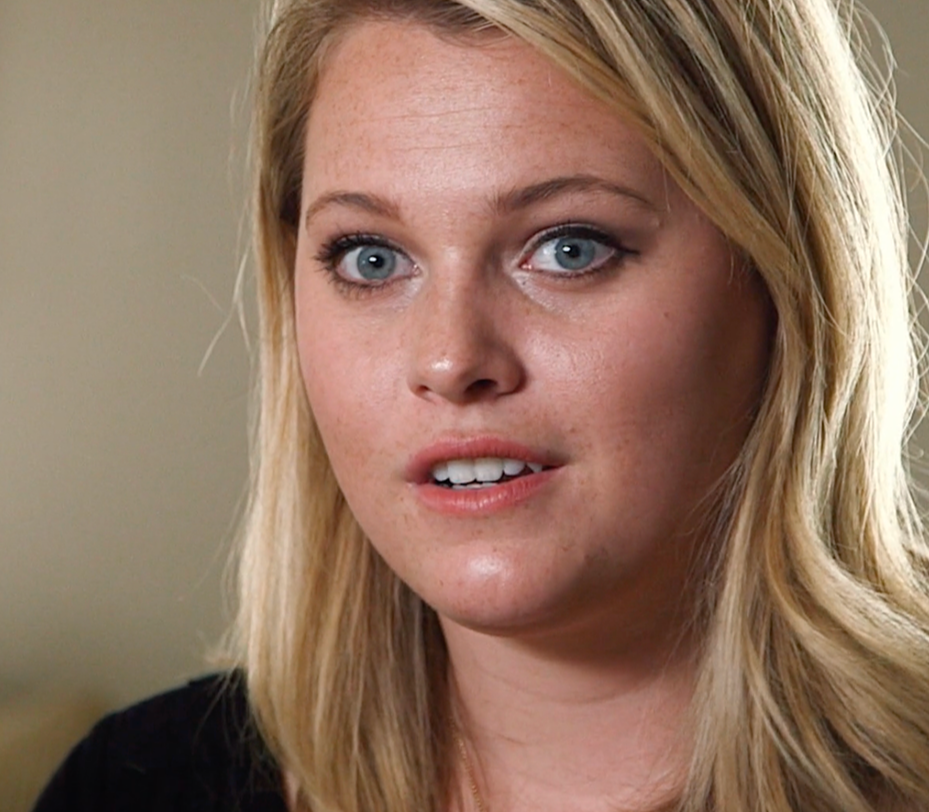
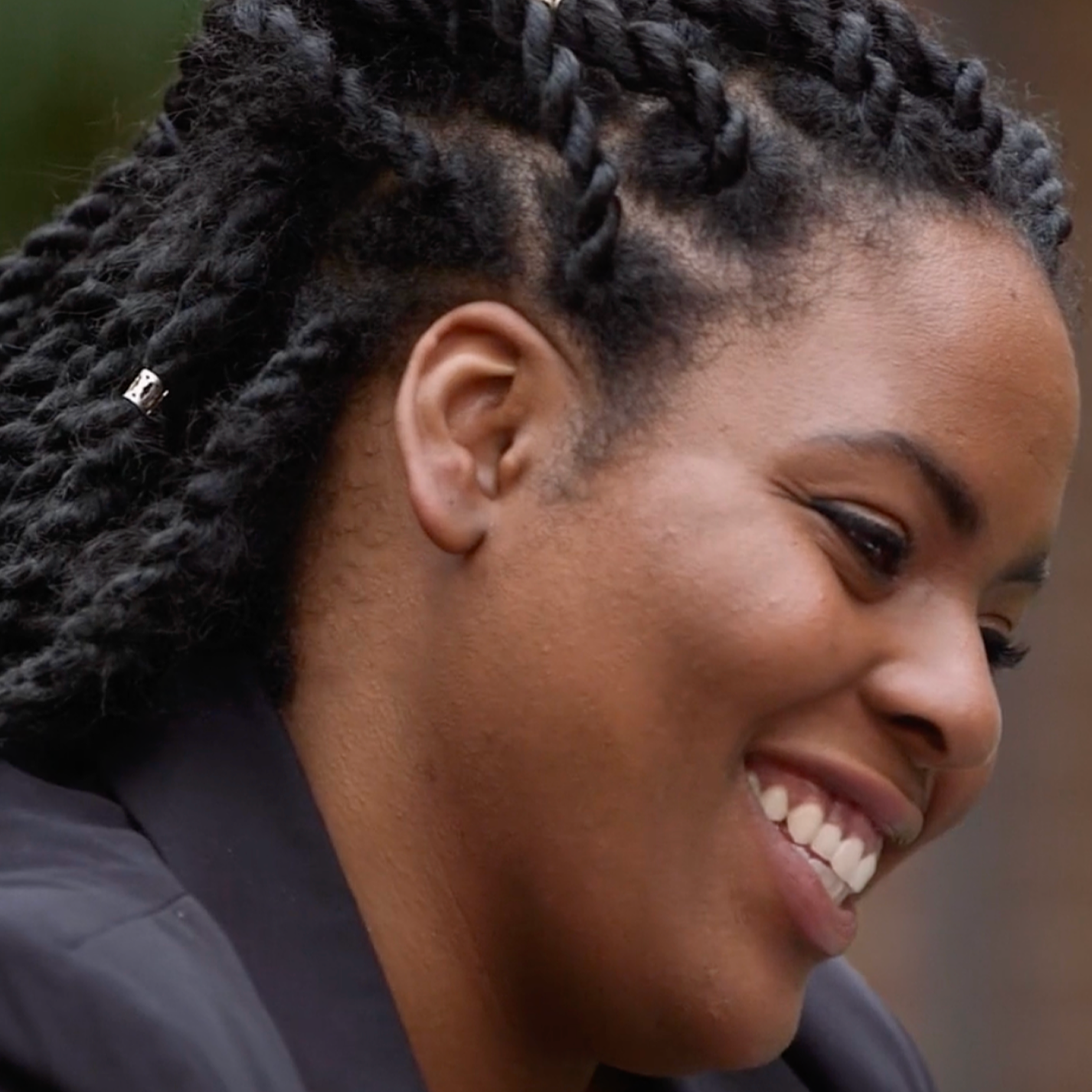
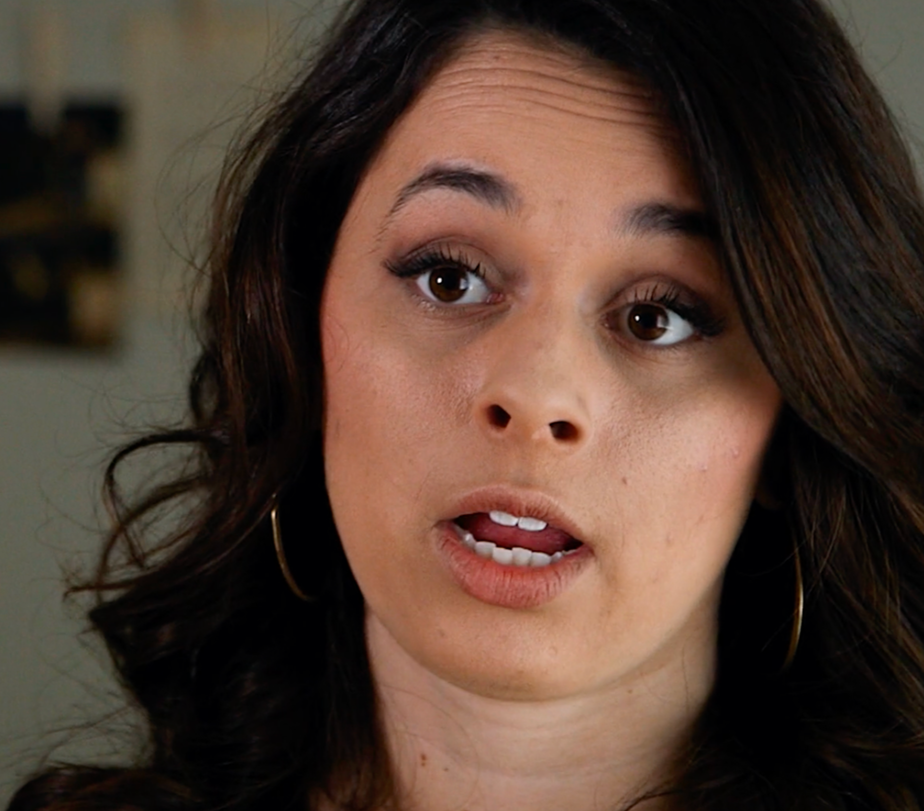
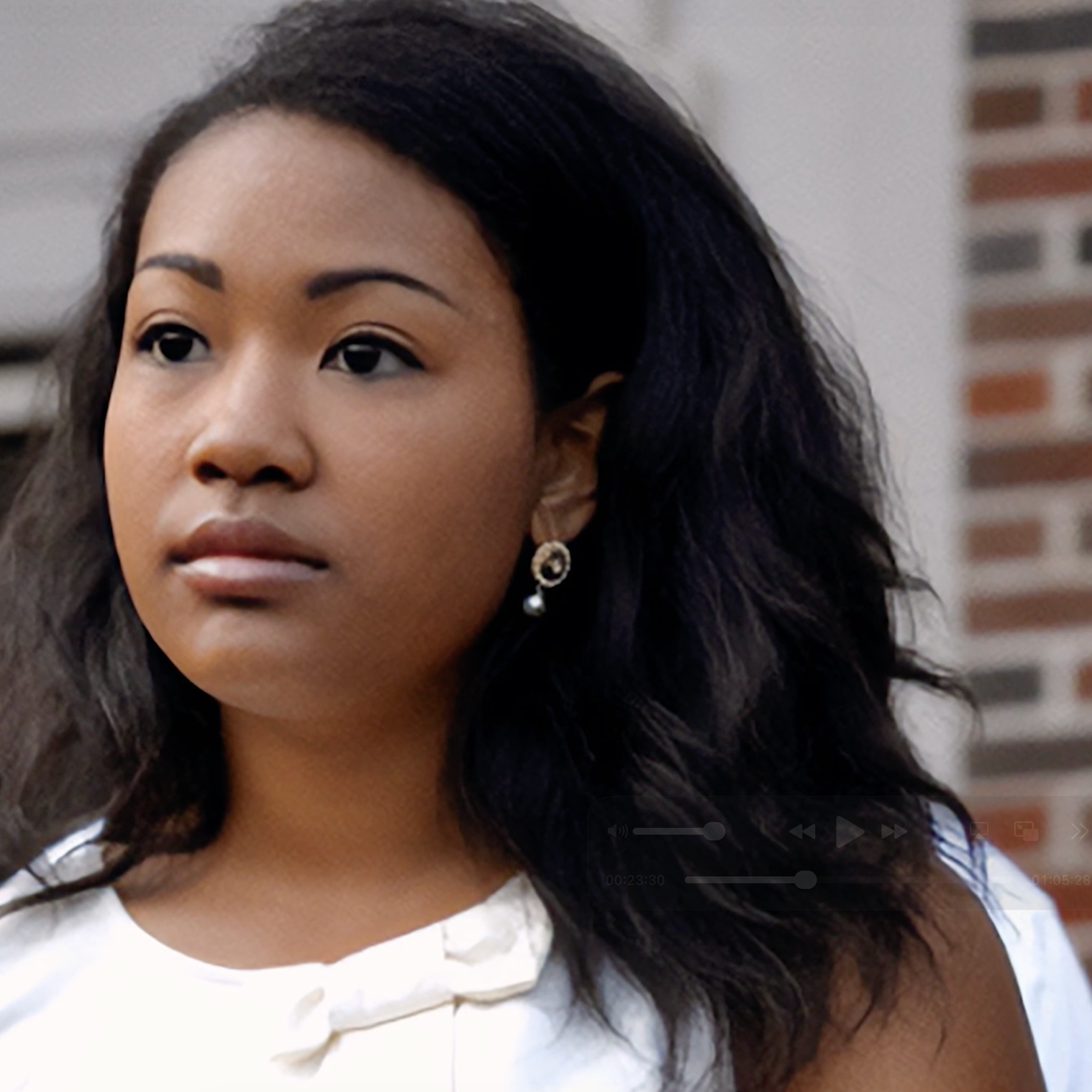
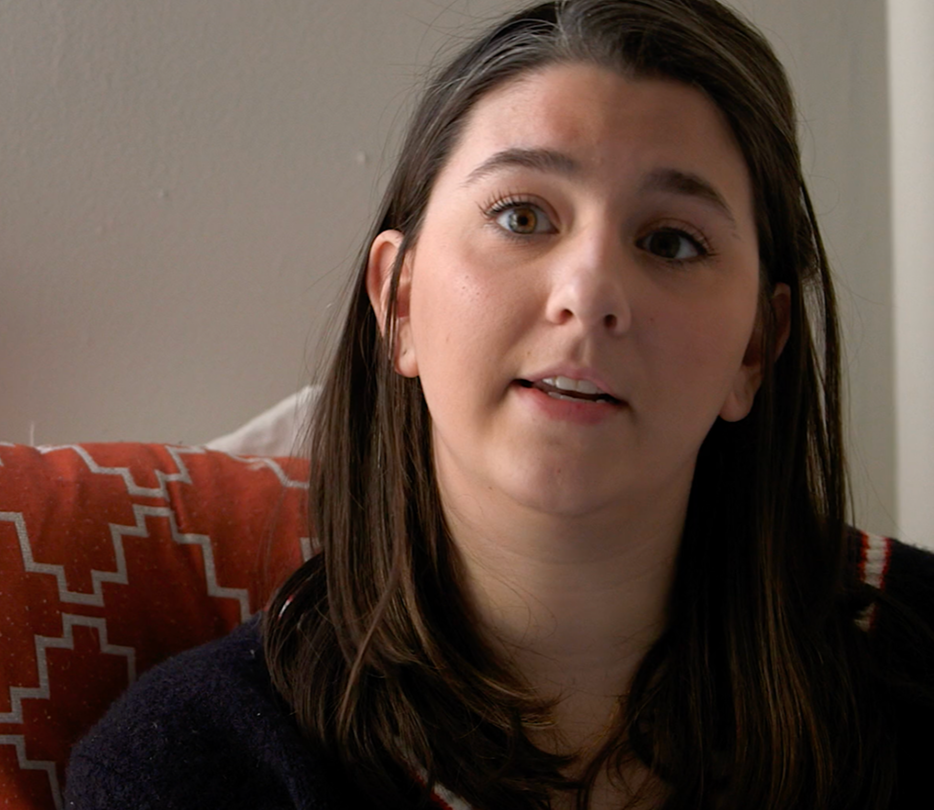
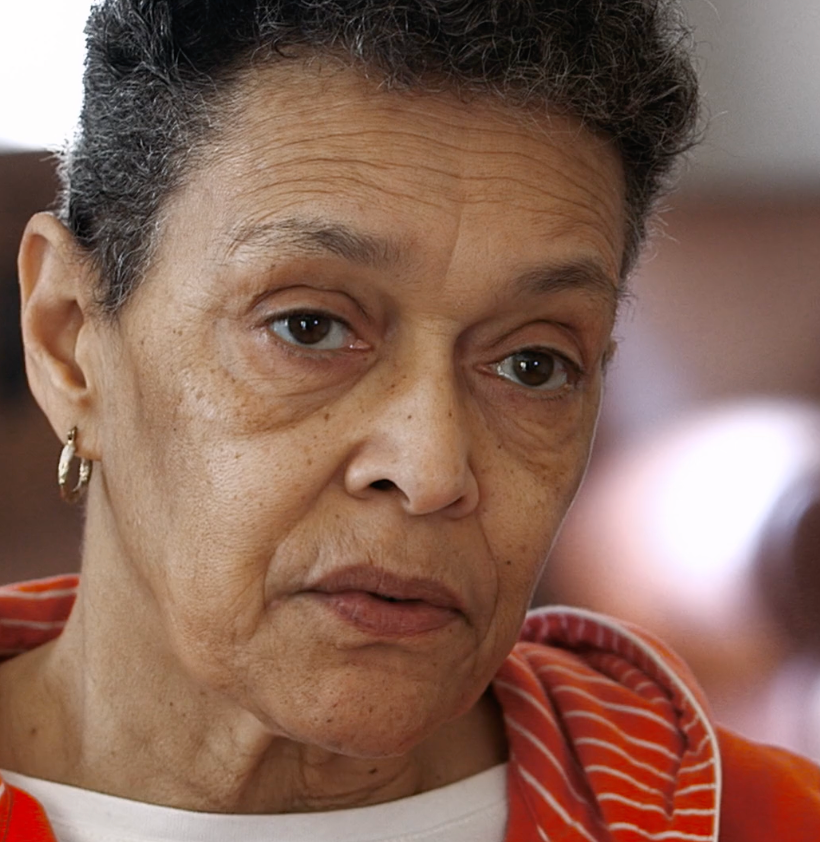
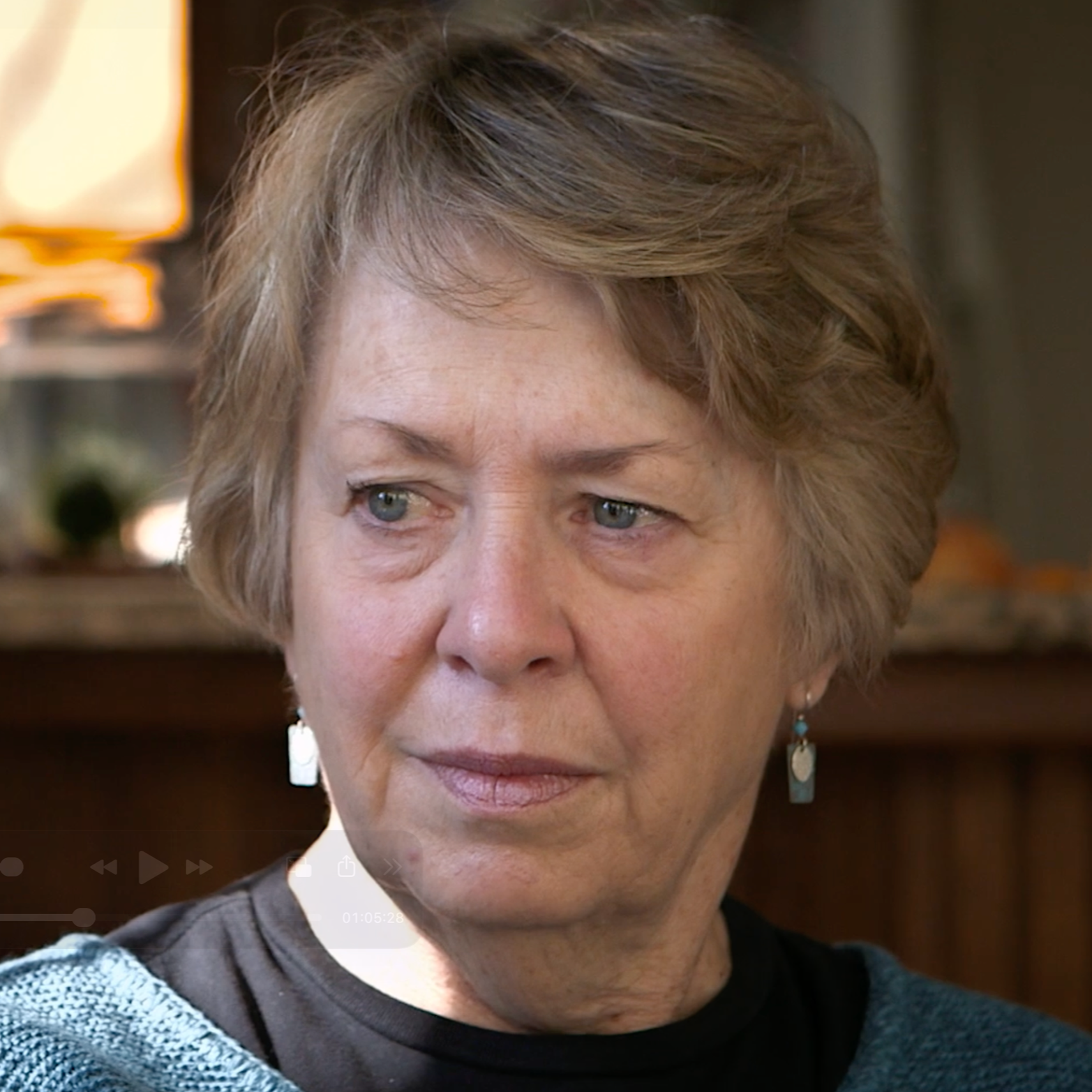
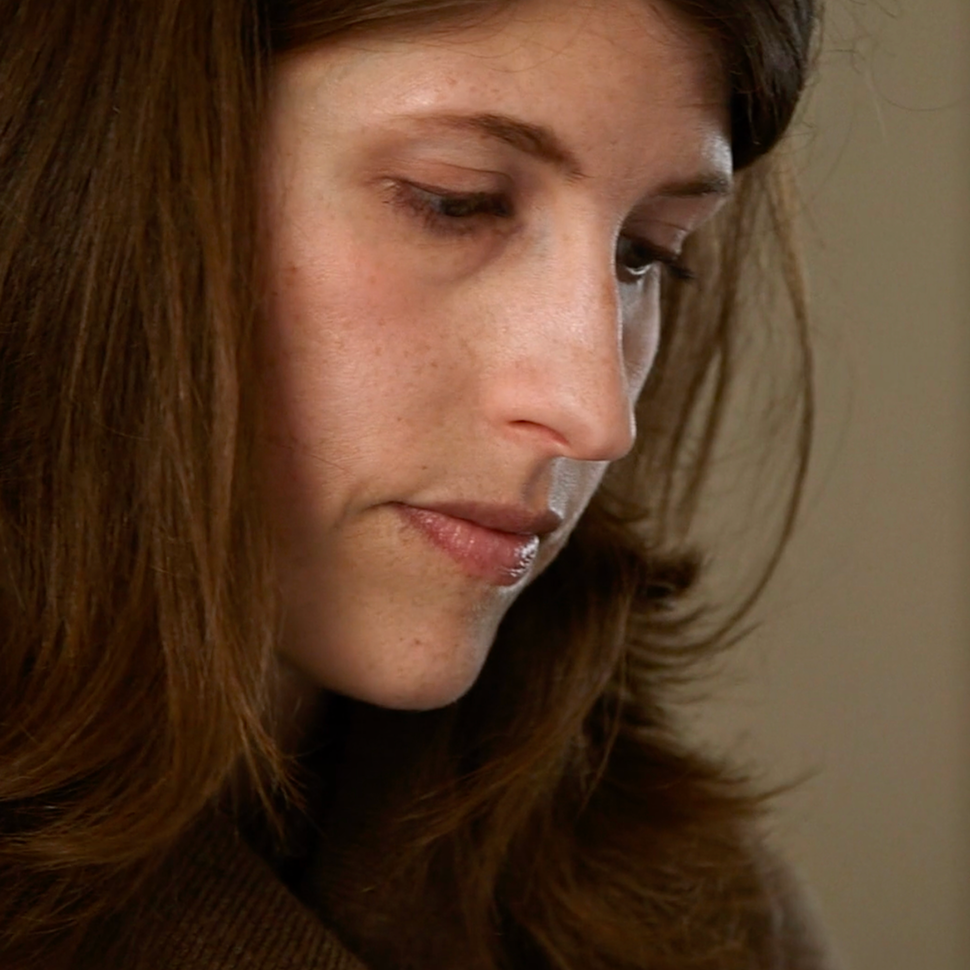
In this new documentary, women young and older, Black and white, witnesses and activists, expose how the sororities' open secret works.
Hear their voices
Host a screening
Screenings of Sorority Story (65 minutes) are followed by a dialogue-based discussion, with the filmmaker and participants in the film.
The film can be viewed virtually but only as a time-restricted link for a private screening and discussion.
A screening fee is requested as a tax-deductible contribution to the film's Impact Fund.
College leaders and alumni recognize a “seismic shift” in higher education today, with traditional expectations and assumptions up for grabs.
The white sororities are embedded in a centuries-old education model that seems out of step with that shift.
An urgent debate about monuments to the past and obsolete institutions continues in many spheres today.
There’s a sense that it’s time for a change.

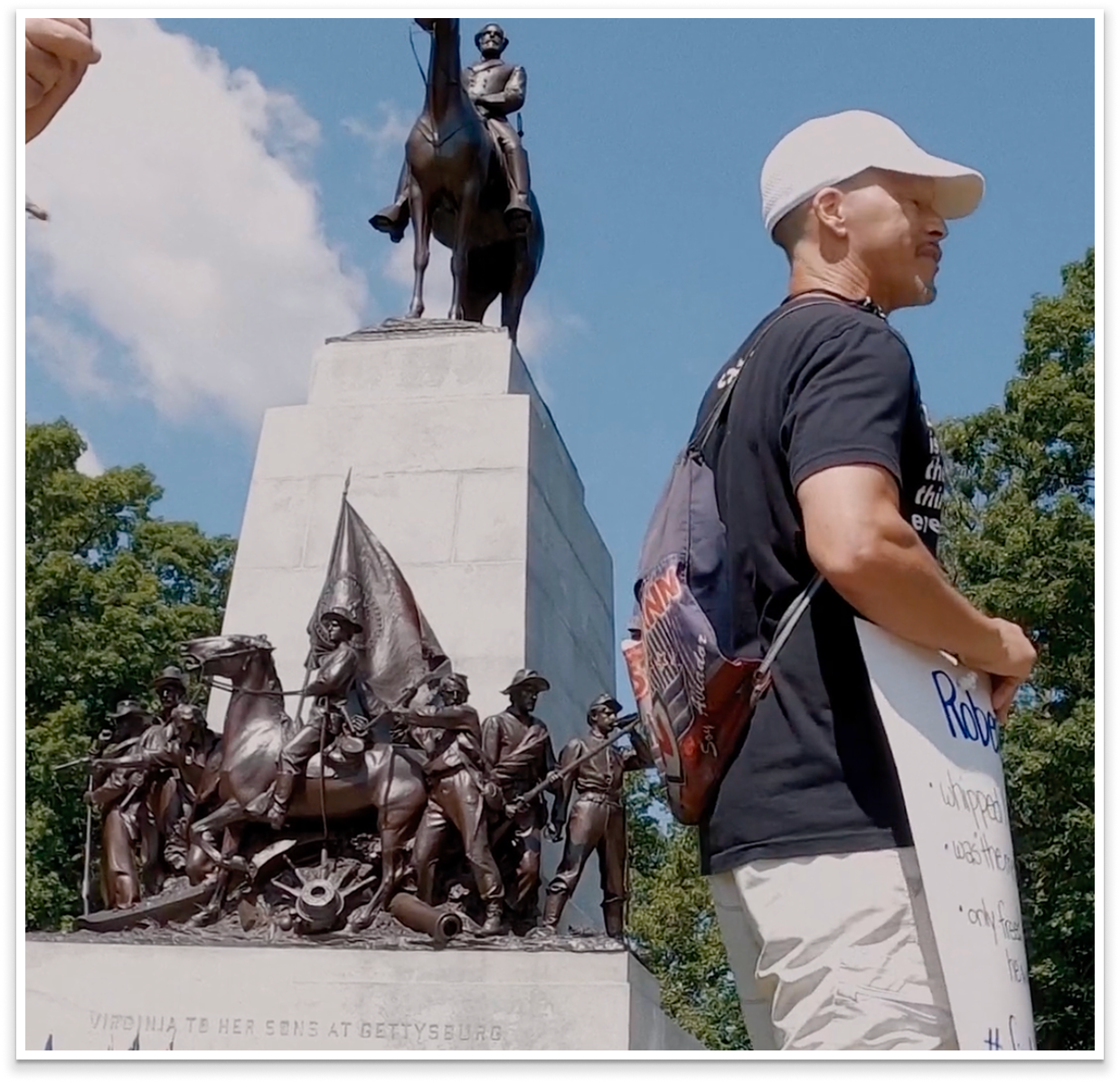
Sorority Story premiered at The Women’s Film Festival in Philadelphia in 2025.
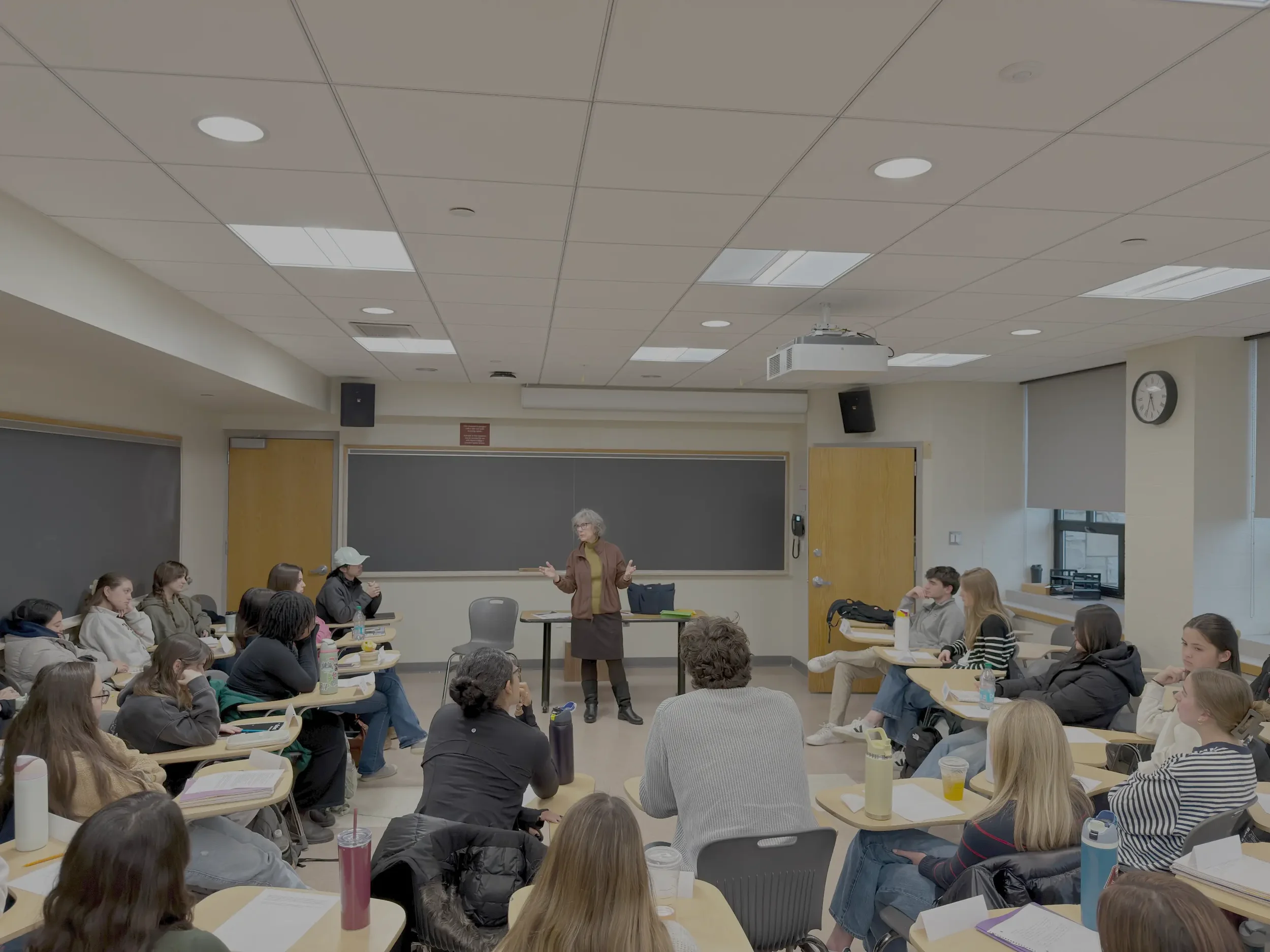
Since then, college classes, informal networks of sorority alumni, and groups of concerned college alums have screened the film with a discussion afterward.
Sorority alumni at a “house party” in Delaware echoed a line in the film: “We were bullied by the national office, but why didn’t we speak out?”
Members of a church social justice committee in Florida asked, “What responsibility do the schools have that host the white sororities?”
Sorority Story
Conversation Guide
It draws on a framework developed by the Difficult Dialogues National Resource Center, which aims to facilitate transformative change among higher education institutions and its partners.
The guide is designed for a range of audiences: college classes; college admin staff and trustees; anti-racism committees; and sorority women and college alumni who want a structured space to reflect.
Inside The Guide
About the Film
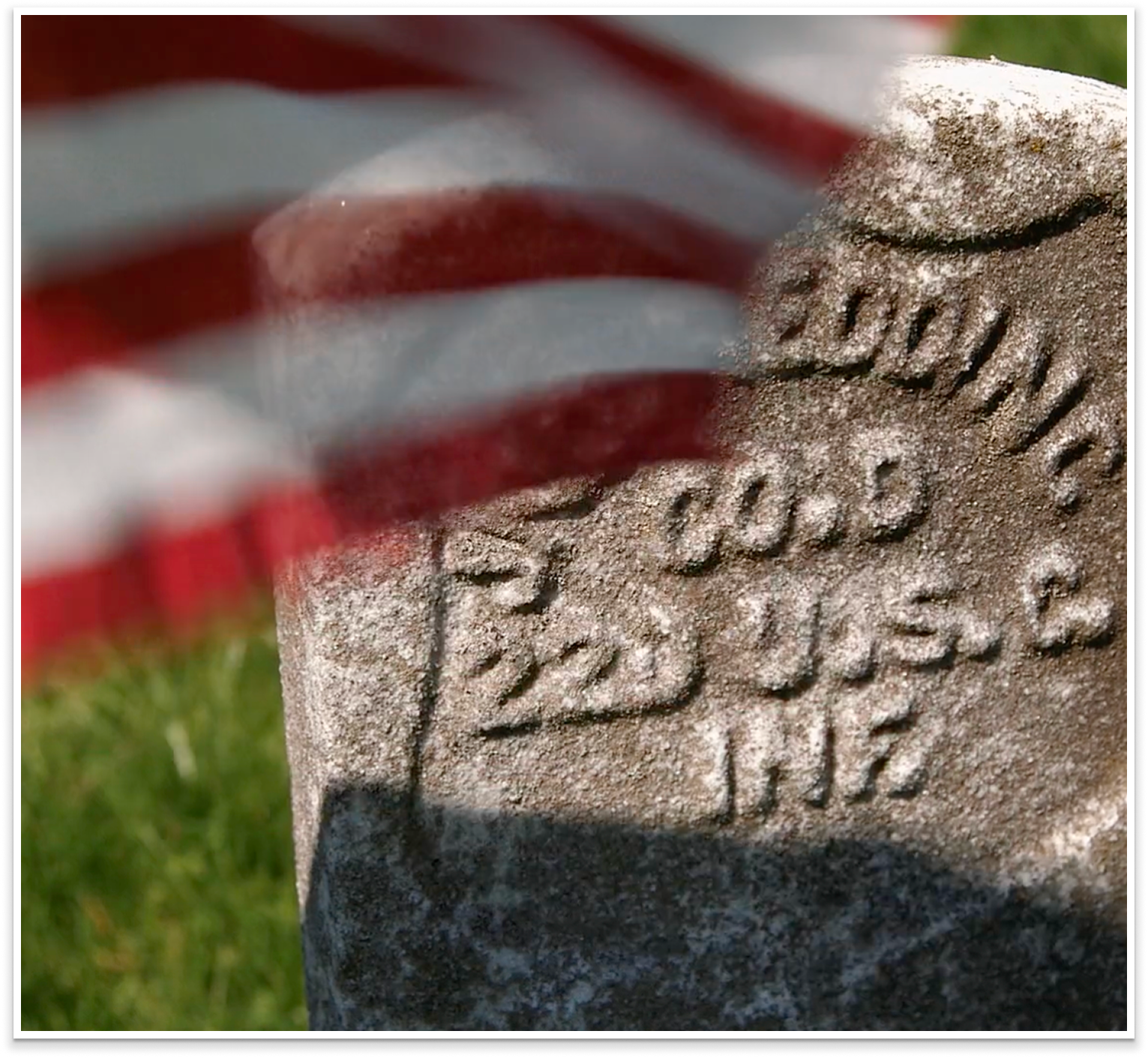
The historical context of exclusion practiced by the white sororities.
How to Use This Guide
Accessible tools and orientation for a post-screening dialogue.
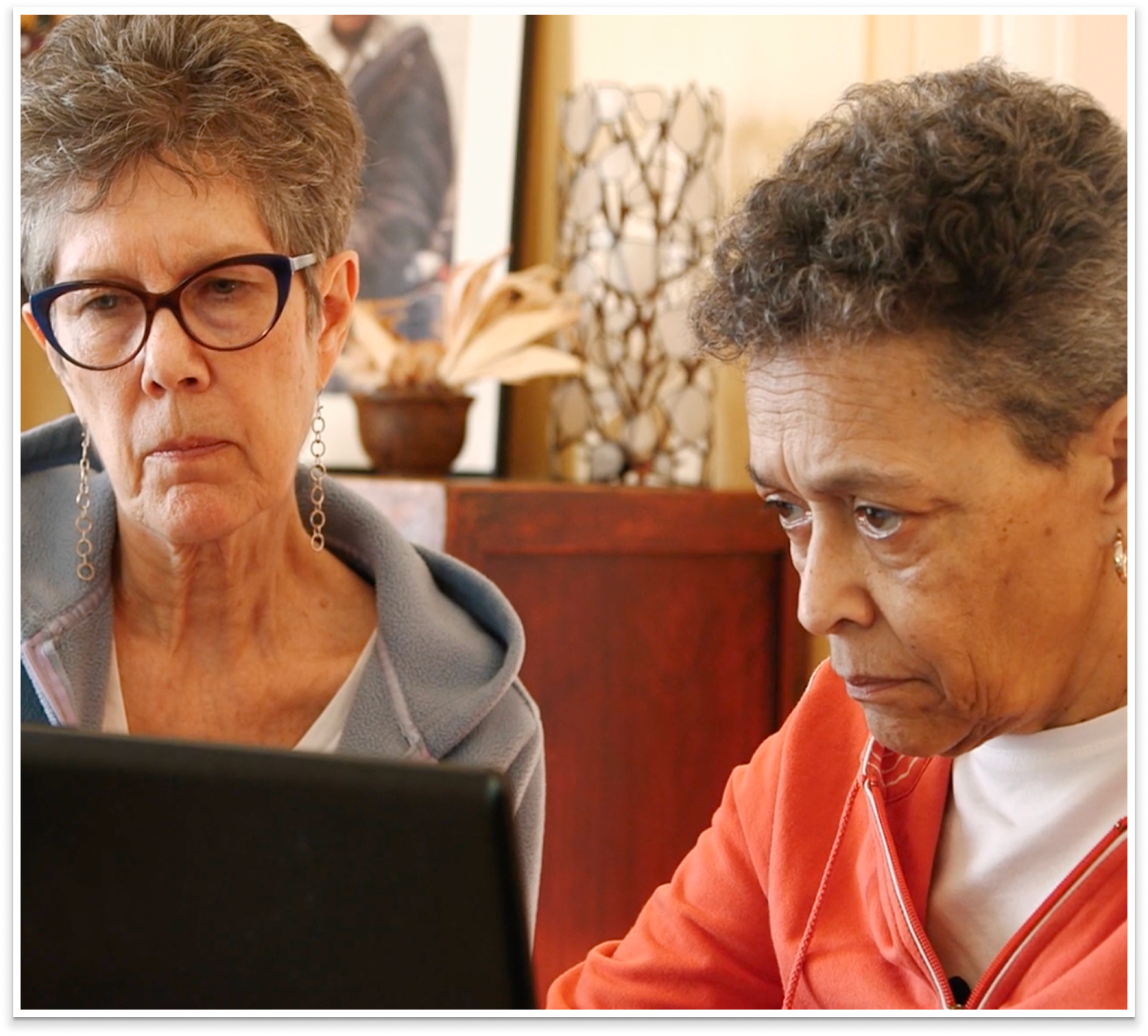

resources
A curated bibliography of the sources behind the film.
About the filmmakers
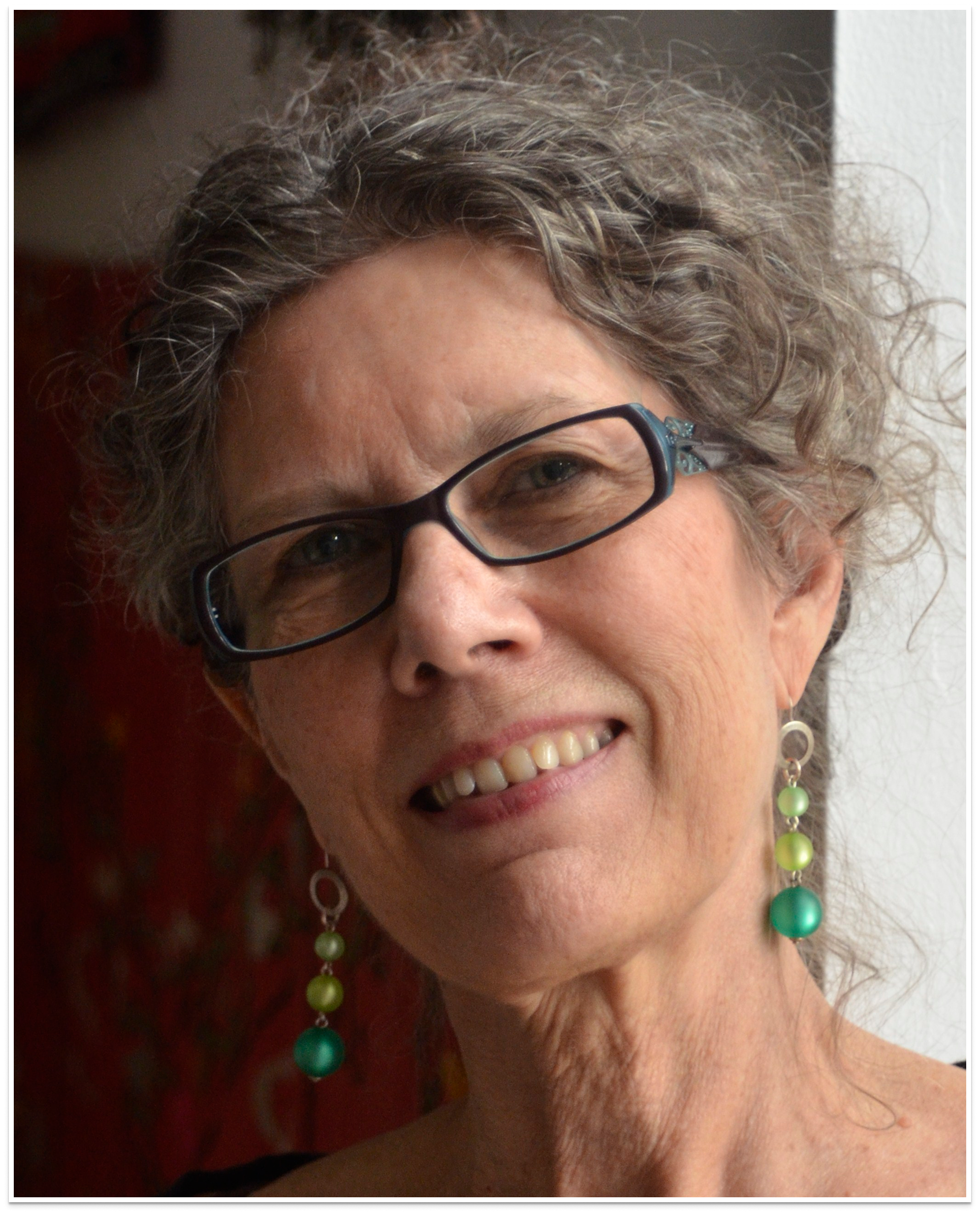
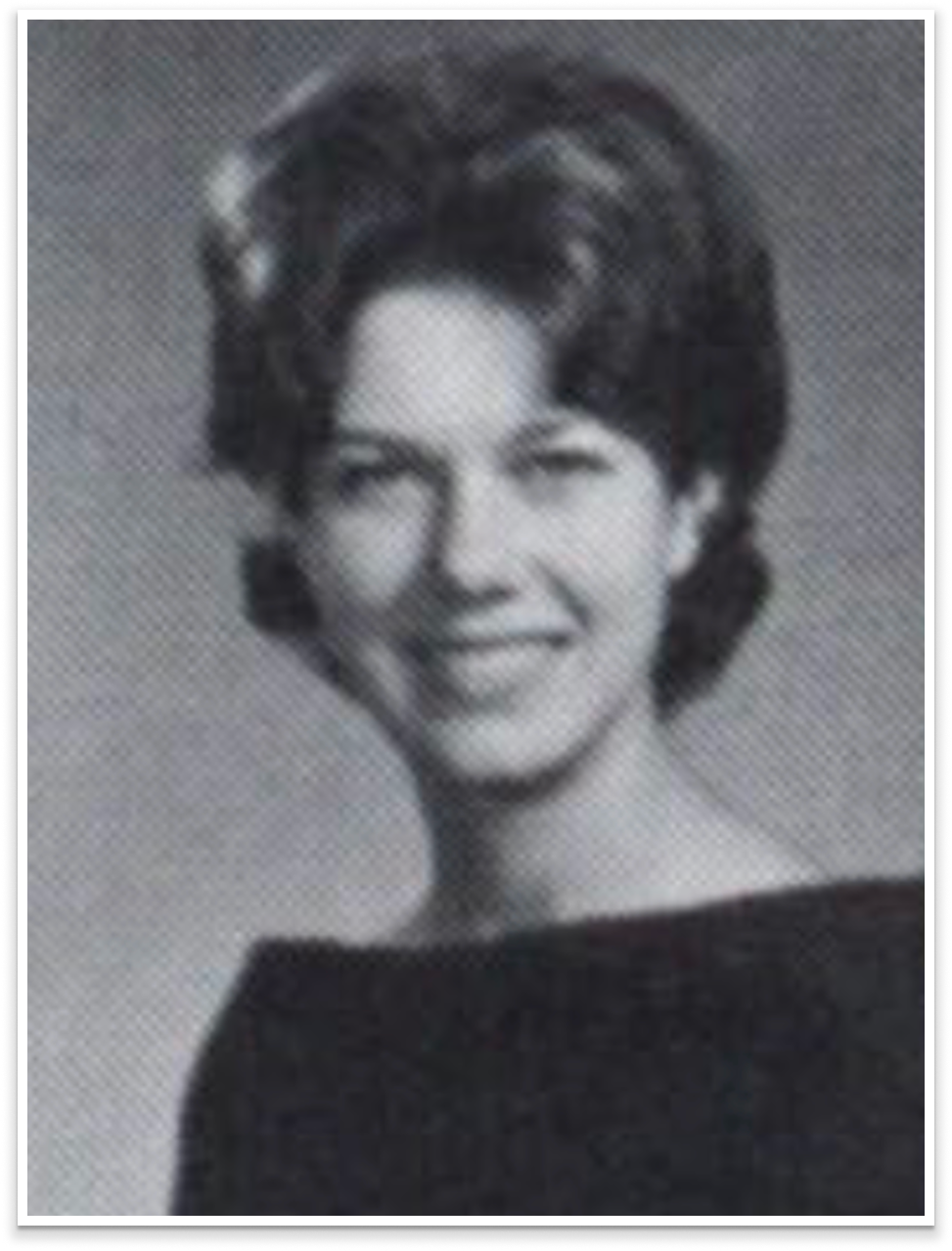
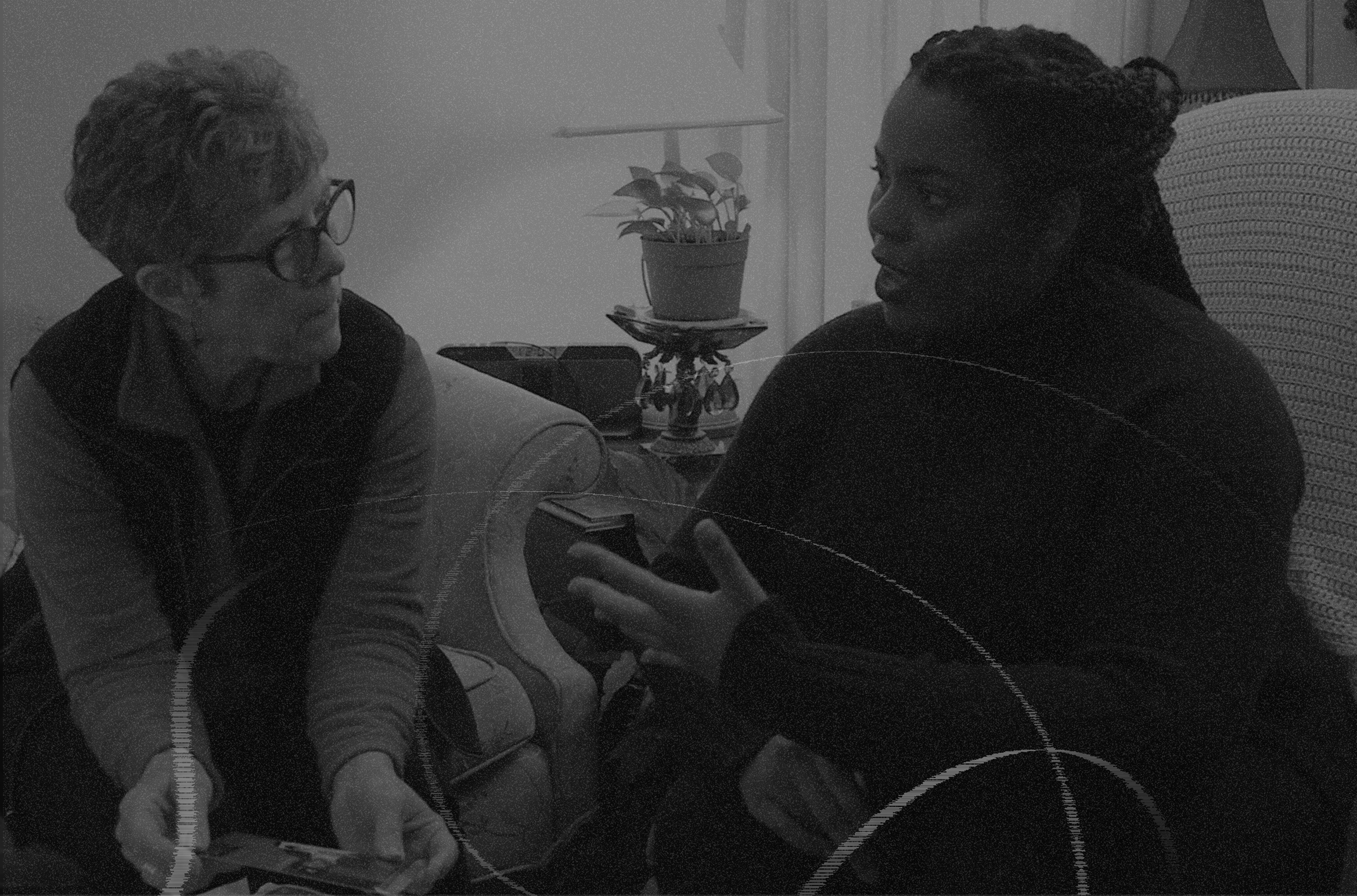
Kathryn Smith Pyle is a “social issue” documentary filmmaker; a Sundance Institute fellow with a doctorate from the School of Social Policy and Practice at the University of Pennsylvania.
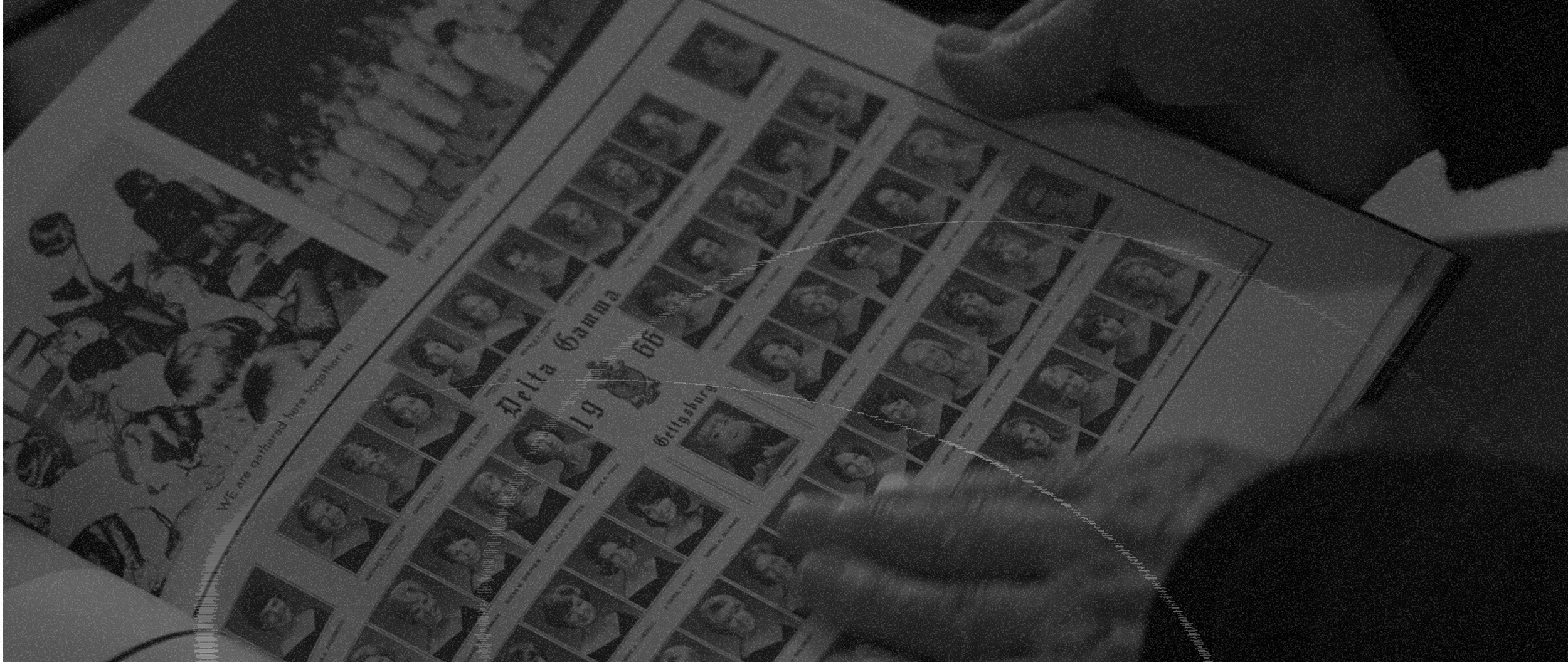
She belonged to a sorority at Gettysburg College that discriminated.
consulting producers Vicky Funari
Marty Syjuco
composerLinda May Han Oh
Director of Photography/ cinematographer Nadia Hallgren
supervising editorKyle Crichton
Other sorority stories
-
C
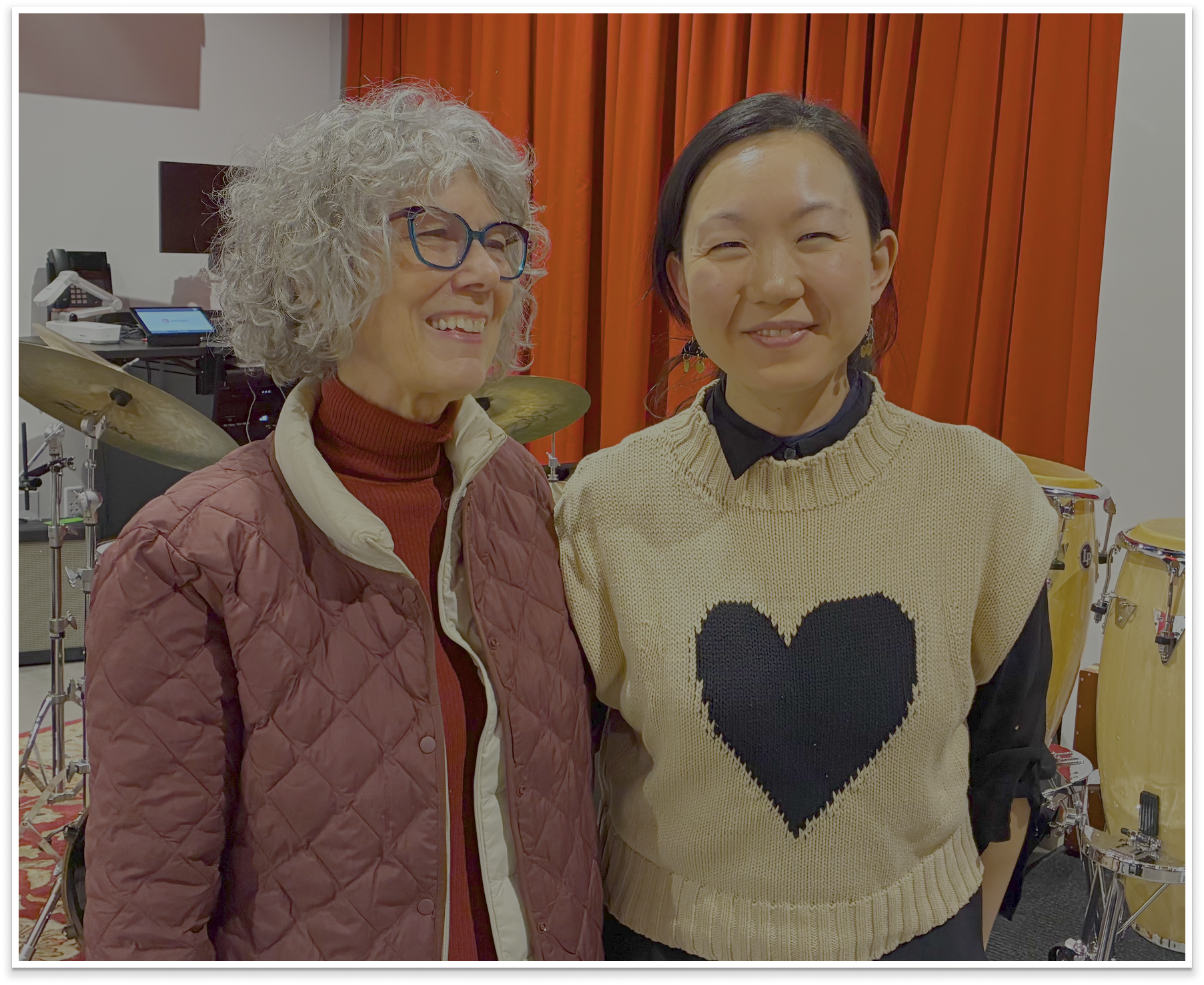
“I joined a sorority at a university in Washington DC in 1963. In 1965 a Black woman was banned because "the southern chapters would not invite our chapter to visit if she was a member!" I wanted no part of that. I deactivated and was shunned by former "sisters" and other sorority members.”
-
M
“As a woman of color, I had heard that the white sororities discriminated but I decided to go through rush with an open mind when I began college on the East Coast in 2022. After two days of conversations with sorority members that made it clear to me that I was not welcome, I dropped out.”
-
J
“From the day I started college in 1975, my goal was to be part of student government and I quickly perceived that the white sororities and fraternities controlled that, so I joined a sorority. In my senior year, I was elected President with their support and have stayed connected through alumni networks.”
What's your story?
Were you in a white sorority that discriminated? What happened? What did you do?
Were you in a white sorority chapter that wanted to pledge a Black woman? What happened?
Are you in a white sorority that has published the truth about its racist past?
We want to hear from you! Send us your story in the link below. We’ll condense your story into a short account, without your name or identifying information if desired, to share with other viewers.
There’s a sense that it’s time for a change.
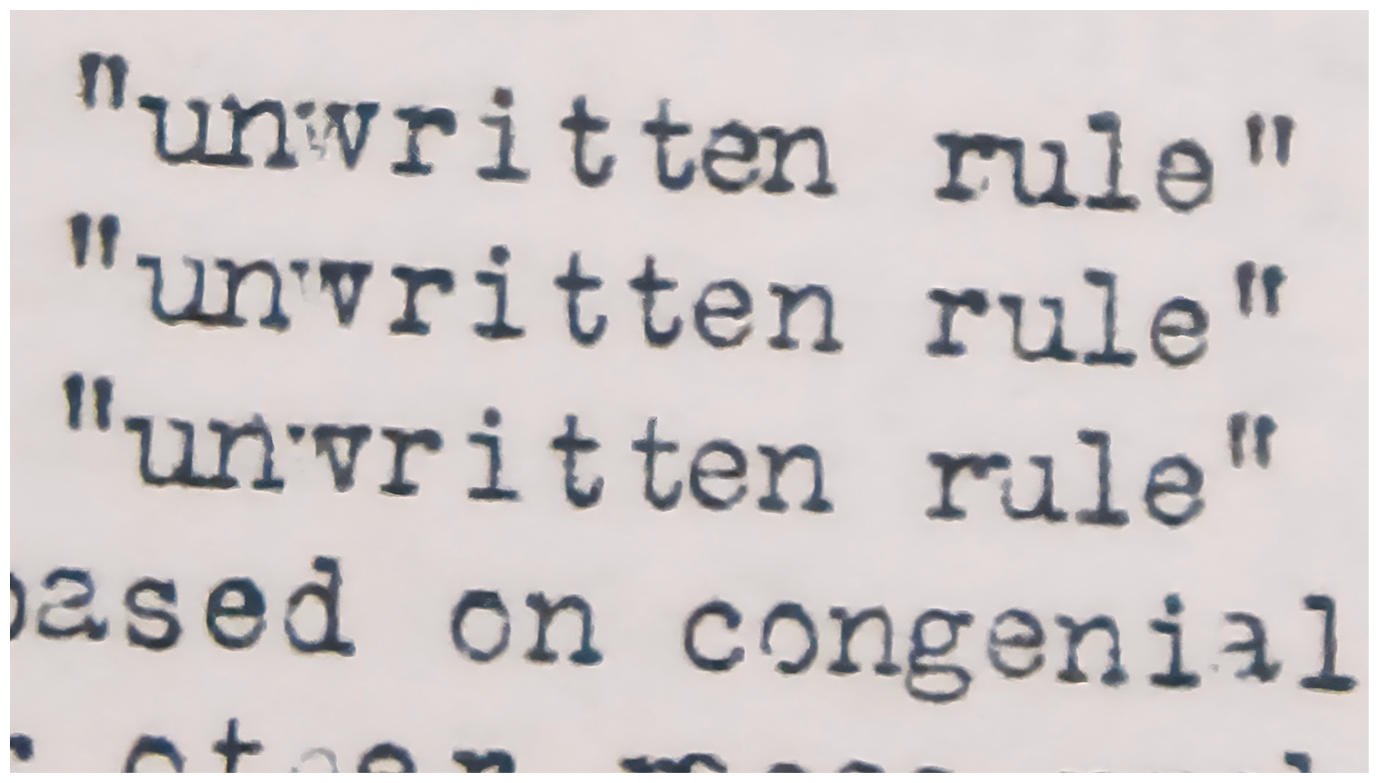
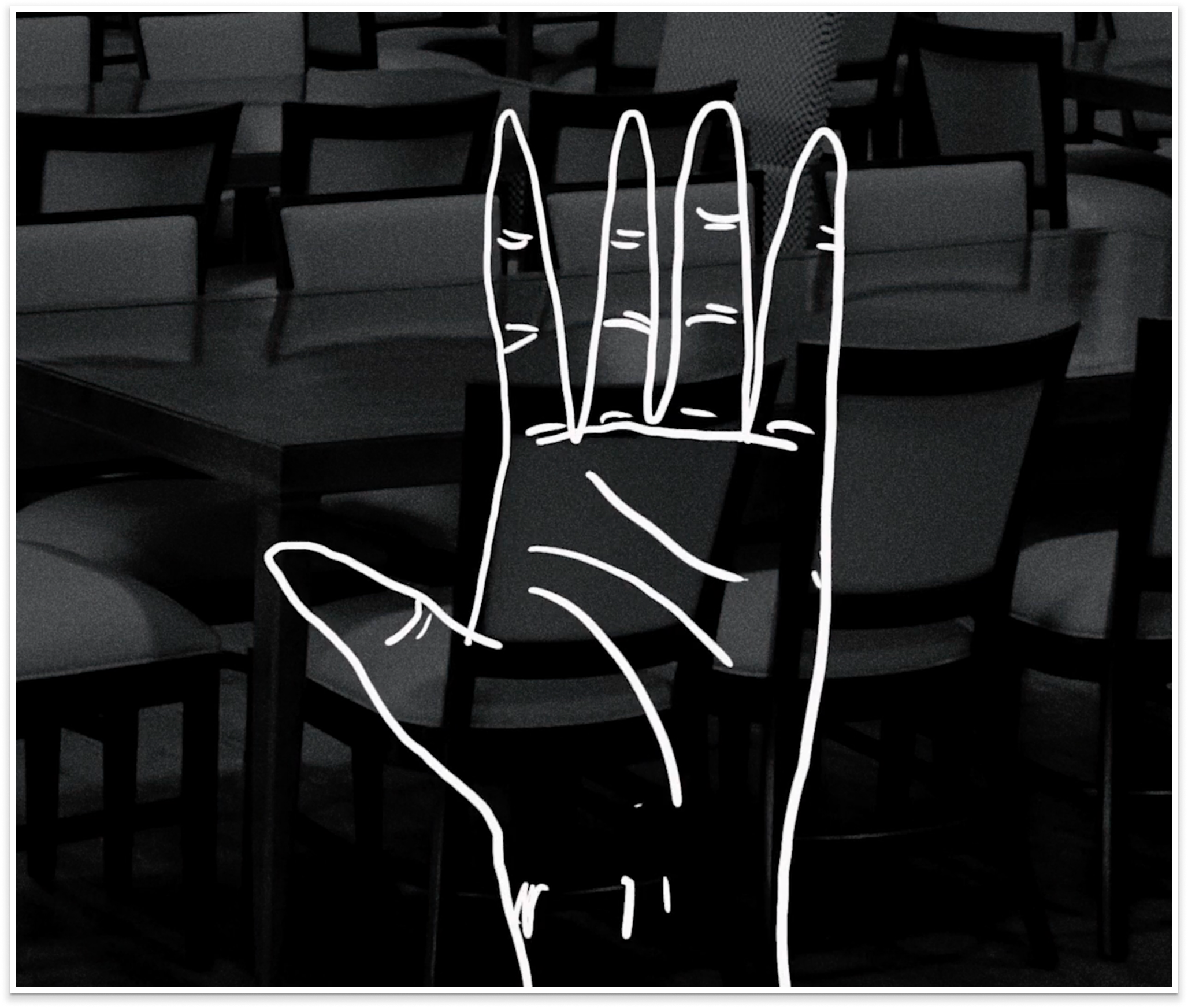
In the film, Melanie describes raising her hand during the “rush” meeting to ask
“Are we not gonna talk about the Black girl?”